Safety & PPE
JCB safety shoes in Bangalore: site kit for construction and infrastructure crews
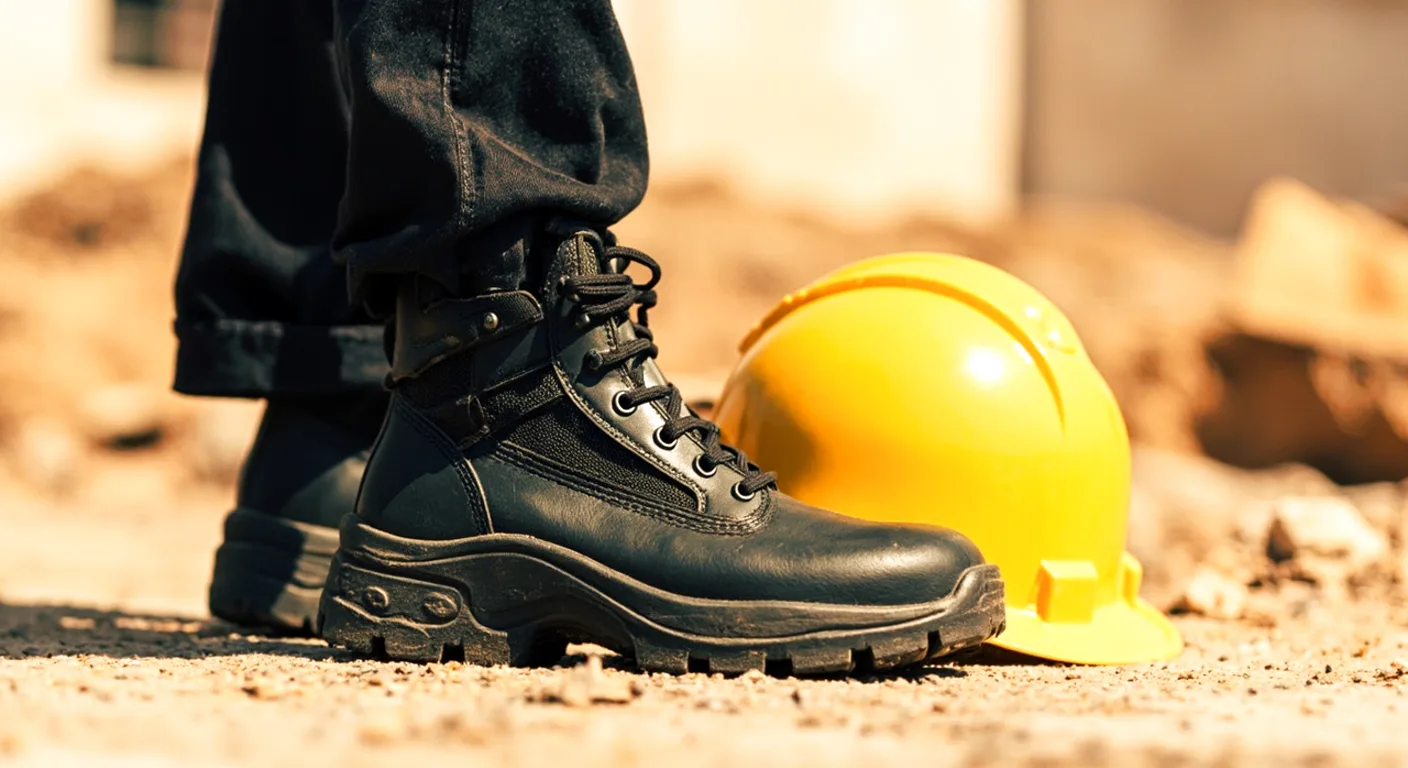
Bangalore has been a construction site for a decade — metro corridors, elevated roads, tech park build-outs, and the industrial expansion running out along Hoskote, Nelamangala and Dabaspet.
Site footwear is bought differently from plant footwear, and JCB comes up on those lists for a specific reason.
A note on what we are: we supply JCB safety shoes in bulk against your specification. We are not an authorised dealer and do not claim to be.
First, what the badge means
JCB safety footwear is a licensed range. The machinery company licenses its name; it does not manufacture the shoes.
That is not a mark against the product — licensed ranges are common in workwear and several are good. But you should know what the badge is telling you, which is about recognition rather than manufacturing lineage.
Why site managers specify it anyway
Compliance on a construction site is a people problem before it is a procurement problem. Footwear that crews are happy to wear gets worn; footwear they resent ends up in the site office.
The JCB name carries weight with crews in a way a purely industrial brand does not. On a site where you are fighting to keep PPE on people, that is worth putting a number against — a slightly more expensive boot worn every shift beats a cheaper one that is not.
If your problem is crews not wearing footwear rather than footwear failing, this is a real reason to specify it.
Specify for site ground, not factory floor
Bangalore sites are uneven, dusty for most of the year and genuinely wet for a few months of it. That points the specification differently:
- Ankle height — high-ankle or boot rather than low-cut, wherever the ground is broken. Ankle-roll is the injury site managers actually see.
- Sole — check what you are getting. PU is lighter and more comfortable; rubber and nitrile survive site debris, heat and oil better.
- Toe cap — steel is cheaper and heavier; composite is lighter and passes metal detection. Both meet 200 joules when certified.
Write it down:
JCB, article number [X], certified to IS 15298 Part 2, high-ankle, toe cap type, sole compound, sizes per attached file, ISI test certificates against the article supplied.
Crew turnover is the real cost
Construction headcounts move faster than plant headcounts, and contractors rotate. That makes two things matter more than the unit price:
The size file. We measure on site and keep it, so replacing footwear for a new crew is not a fresh measurement exercise every month.
The top-up. Agree in writing what a small batch costs and how fast it reaches the site. On a Bangalore project with crews rotating, you will use that number far more often than the main order.
Being in the city means a top-up is a delivery, not a procurement cycle.
Certificates for the principal contractor
On infrastructure work the principal contractor usually wants the PPE documentation in their file, not just yours. Ask for test certificates against the article shipped, in a format you can forward without editing.
We supply them per article, per consignment.
The rest of the site kit
Footwear alone is rarely the order. Helmets to IS 2925 — colour-coded by contractor, which on a multi-contractor site is how you tell crews apart — and hi-vis to IS 15809, Class 3 where there is moving plant or night work.
All on one purchase order, arriving together, with one certificate file.
On the price
No published list. A site order prices on the article, ankle height, sole, quantity, contract length and top-up terms. Send the article, the headcount and the site, and you get a written price inside 24 hours.
Minimum 50 pairs.
JCB safety shoes: the specification guide · PPE as one kit · footwear range · helmets, or request a quote.