Schools
School shoes supplier: annual contracts, size curves, and the June deadline
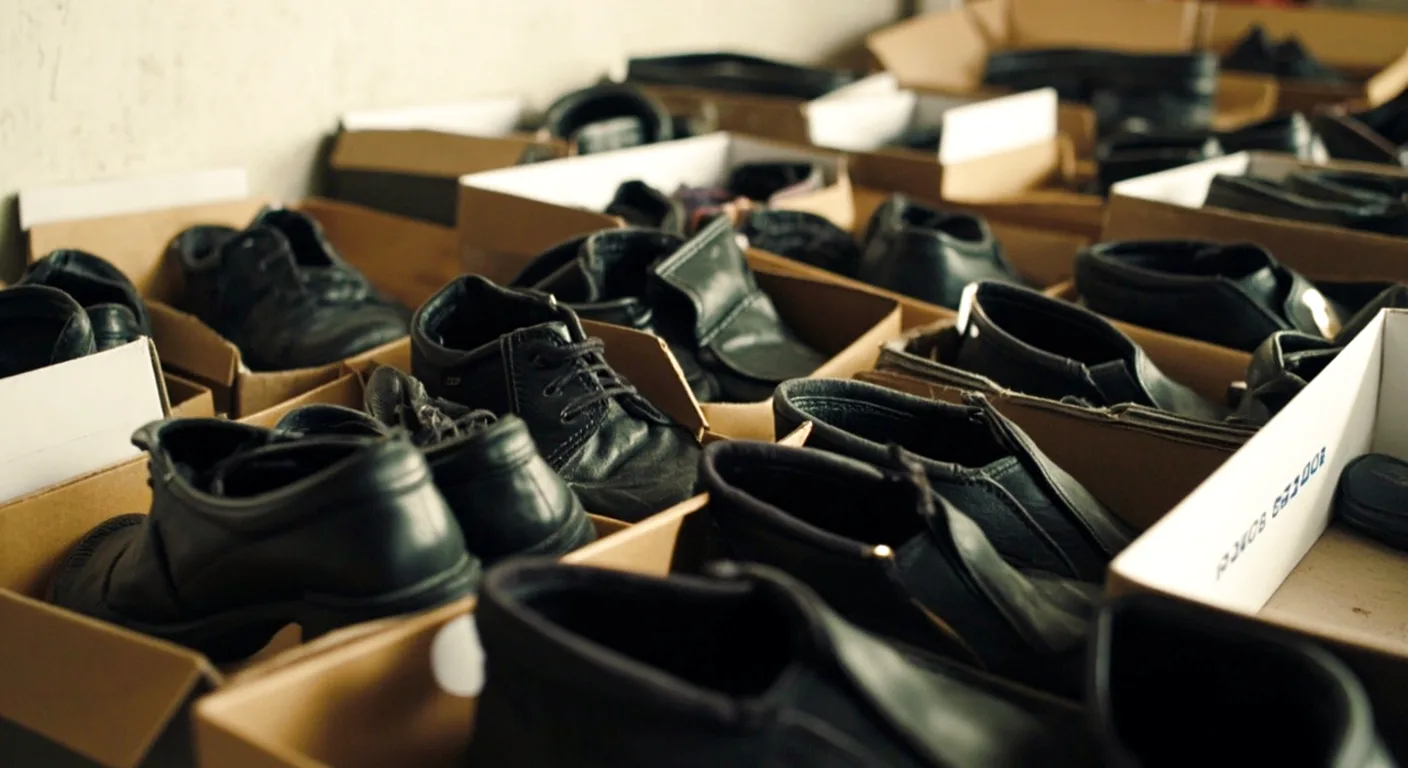
School shoes are the single line item in a uniform programme that generates the most parent complaints, and the reason is structural. A shirt that is slightly loose is worn anyway. A shoe that is half a size wrong is returned within a fortnight, by a parent, at the school gate.
This guide is for principals, school administrators, and procurement officers running a bulk school shoe contract for a CBSE or ICSE campus.
The academic-year calendar drives everything
Indian schools open in June. A bulk school shoe order has a fixed sequence behind that date, and each step has a real duration.
- December to January — decide the specification and appoint the supplier for the coming year.
- January to February — sample approval. One pair per model, per colour, signed off by the school.
- February to March — on-campus measurement drive.
- March to April — bulk production against the confirmed size curve.
- May — delivery, sorting by class, and pre-issue.
- June — issue, plus the exchange window.
Schools that begin in April are buying from whatever is already made. Schools that begin in December get the specification they actually asked for. A school shoes annual supplier who cannot show you this calendar at the first meeting is planning to improvise.
Run the measurement drive on campus
Collecting sizes from parents by circular does not work. Parents report the size their child wore last year, and children grow between the circular and the delivery.
What a working drive looks like:
- Measure on campus, class by class, using a measuring gauge rather than an existing shoe.
- Record both length and width. Width is the source of most rejections.
- Measure in the afternoon, not first thing. Feet spread over the day.
- Set the growth allowance as school policy by age band, rather than leaving it to whoever is measuring.
- Capture the measurement against the student roll number so a later exchange is traceable.
A supplier who sends a team to do this on campus is doing the part of the job that prevents the complaints. One who asks you to email a total quantity has moved the risk onto you.
Size curves change sharply by grade
Feet grow fastest in the primary and early middle years, which is exactly where a curve built from last year’s numbers goes wrong.
- Build the curve separately for primary, middle, and senior sections. Do not average across the school.
- Expect the senior section curve to be stable year on year and the primary curve not to be.
- Order a mid-size buffer of around 5 per cent for mid-year admissions, held at the school stores.
- Agree an exchange band in the contract — how many pairs can be swapped for size, within what window, at what cost. Ambiguity here becomes a dispute in July.
PE shoes and formal shoes are different orders
Most campuses need two, and they should be quoted, sampled, and sized separately.
- Formal school shoes — black, closed, buckle or lace, worn four to five days a week. Judged on upper finish and on how the sole holds up to a full year of use.
- PE and sports shoes — white or house-colour, worn on games days, plus sports day and inter-school events. Judged on cushioning and grip.
The wear pattern differs, so the replacement cycle differs. Treating both as one SKU is the most common costing error in a school shoes contract supplier arrangement, and it usually shows up as the PE shoe failing first.
The failure modes parents actually report
Worth naming, because a good specification prevents each one:
- Sole separation at the toe. A construction and adhesion issue. Ask for a stitched or stitched-and-cemented sole rather than cemented alone on the formal shoe.
- Buckle or velcro failure by term two. Cheap fasteners on primary sizes. Specify the fastener, not just the style.
- Colour transfer onto socks. A dyeing and lining issue. Check it on the approved sample, not after delivery.
- Width complaints. Almost always a measurement problem, not a manufacturing one.
- No replacement route mid-year. Not a product failure at all, but the one parents escalate to the principal.
What belongs in an annual contract
If you are running the shoe alongside the rest of the school uniform programme, consolidate it into one agreement:
- Per-pair pricing by model and size band, in writing, locked for the academic year.
- The measurement drive included in scope, with dates.
- A named exchange window and quantity.
- Mid-year replacement lead time for new admissions.
- A single consolidated invoice, not one per model.
- Delivery sorted and labelled by class, ready to issue.
The same discipline applies whether you are a single campus or a group running multiple institutional sites on one procurement calendar.
How we handle school shoe contracts
We supply school shoes and full uniform sets to CBSE, ICSE, and state-board schools, from 50 pairs per order upwards, with pan-India delivery.
What is included:
- On-campus measurement drive, section by section.
- Sample approval before bulk production.
- Size curve built from measured data, not last year’s file.
- Per-pair pricing in writing, locked for the academic year.
- Delivery sorted by class, with an exchange window.
- Mid-year replacement for new admissions.
If you are a principal, administrator, or procurement officer planning the coming academic year, the form below reaches our sales team. Quotes go out within 24 hours, and we work from 50 pieces per order.