IT & Corporate
IT and BPO uniform programme in India: a corporate procurement guide
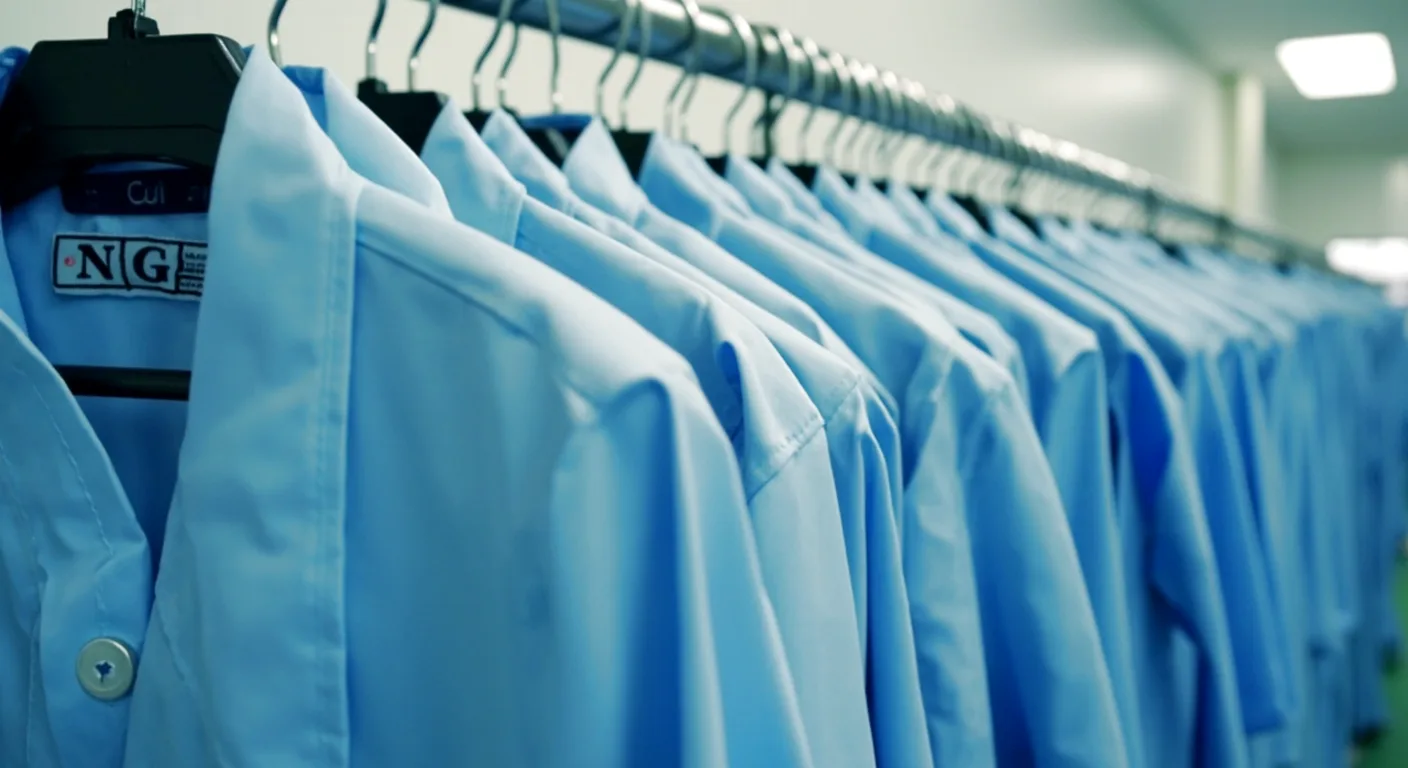
BPOs and corporate offices have a uniform problem most industries do not have: high employee turnover. A BPO with 5,000 employees may turn over 30-50% per year. That means a uniform programme is not a one-time procurement — it is a continuous flow.
This guide is for BPO operations managers, IT company HR, corporate admin, and facility managers who are running a bulk uniform programme.
The flow problem
A standard BPO uniform programme looks like this:
- Quarterly bulk order — replace 25% of workforce uniforms.
- Ad-hoc replacement — staff leaving, damaging, or losing uniforms.
- New hire onboarding — fresh uniforms for new joiners every week.
- Multi-location rollout — different buildings, different cities, same brand.
A retail uniform shop cannot handle this flow. The volumes and the timing are wrong. A bulk uniform supplier that supports ongoing replenishment is the only answer.
What to look for in a bulk supplier
- Volume flexibility. A 5,000-piece annual commitment with a 500-piece replenishment monthly is the typical pattern. The supplier should not penalise you for variable order sizes.
- Brand consistency across multiple orders. A new hire in March should wear the same uniform as a new hire in August. Same fabric, same stitching, same colour.
- Multi-location delivery. Bangalore-based BPOs often have offices in Hyderabad, Chennai, Pune, and NCR. The supplier should be able to deliver to all of them.
- Replacement cycle. A damaged uniform needs a 48-72 hour replacement. The supplier should have a fast-track production slot.
- Per-piece pricing locked annually. Most BPOs sign a 12-month contract with per-piece pricing. Avoid quarterly price renegotiations.
BPO and IT-specific requirements
- Embroidery and branding. Most BPOs have logos on shirts, jackets, and sometimes ID card holders. The supplier should handle this in-house.
- Department-specific variations. Front-desk, security, housekeeping, F&B, and operations staff often have different uniform sub-styles. The supplier should be able to differentiate within the same brand.
- High attrition buffer. Some BPOs keep a buffer of 5-10% of uniforms in stock at the supplier’s warehouse for urgent replacement. This is a contractual option to ask about.
- Compliance documentation. For BPOs in regulated industries (BFSI, healthcare claims), the supplier should be able to provide fabric certifications and audit-ready documentation.
The corporate office case
For corporate offices (IT companies, captive BPOs, MNC back-offices), the uniform programme is similar to a BPO but at lower volume and more refined:
- Office staff, cafeteria, security, housekeeping, parking, drivers.
- Smaller volumes per category.
- Higher brand standards — corporate offices often have strict brand guidelines.
A bulk supplier should treat each corporate category as a separate SKU with its own per-piece pricing, but consolidate them into a single contract and delivery.
Government and PSU procurement
Government procurement is a different game. The requirements:
- Tender-based procurement. Most government orders go through GeM (Government e-Marketplace) or state-level portals. The supplier must be registered on the platform.
- MSME-registered businesses get preference. The supplier should hold Udyam registration.
- Detailed compliance documentation. Fabric test certificates, BIS certifications, factory audit reports, and past performance records.
- Tight delivery windows. Government orders often have hard delivery dates. The supplier should be able to commit to a specific date, not a range.
- Post-delivery support. Government buyers expect replacement stock, defect rectification, and warranty coverage.
Manpower and staffing agencies
Manpower agencies (Quess, TeamLease, SIS, FirstMeridian, BVG) supply uniformed workers to client sites. Their uniform programme is unique:
- Multi-client, multi-vertical. A staffing agency may handle uniforms for housekeeping at one client, security at another, and drivers at a third. The supplier should handle cross-vertical orders.
- High turnover. Same as BPOs — ongoing replenishment is the norm.
- Per-client brand consistency. Different clients want different uniforms. The supplier should be able to handle small-batch orders for different brands.
Aviation and BPO-level details
Aviation (airline cabin crew, ground staff, catering) and large BPOs (5,000+ employees) have the highest standards:
- Premium fabric, often custom-woven. Off-the-shelf fabric rarely meets aviation standards.
- Custom dyes and Pantone matching. Brand identity is critical.
- Multi-shift supply. Airlines run 24/7; the supplier should support emergency replacement within hours.
- Audit-ready documentation. Aviation is regulated; the supplier should provide a paper trail.
What we offer for enterprise clients
We supply bulk uniforms to BPOs, IT companies, corporate offices, manpower agencies, and support-staff teams. Minimum 50 pieces per order. Pan-India delivery.
Our enterprise process:
- Bulk pricing locked for 12 months.
- Multi-location delivery.
- Refresh and replenishment contracts.
- Embroidery and branding in-house.
- Compliance documentation for government and PSU procurement.
If you are a BPO operations manager, IT company HR, or government procurement officer, the form below reaches our sales team.