Safety & PPE
Allen Cooper safety shoes: what to specify, and how bulk supply works
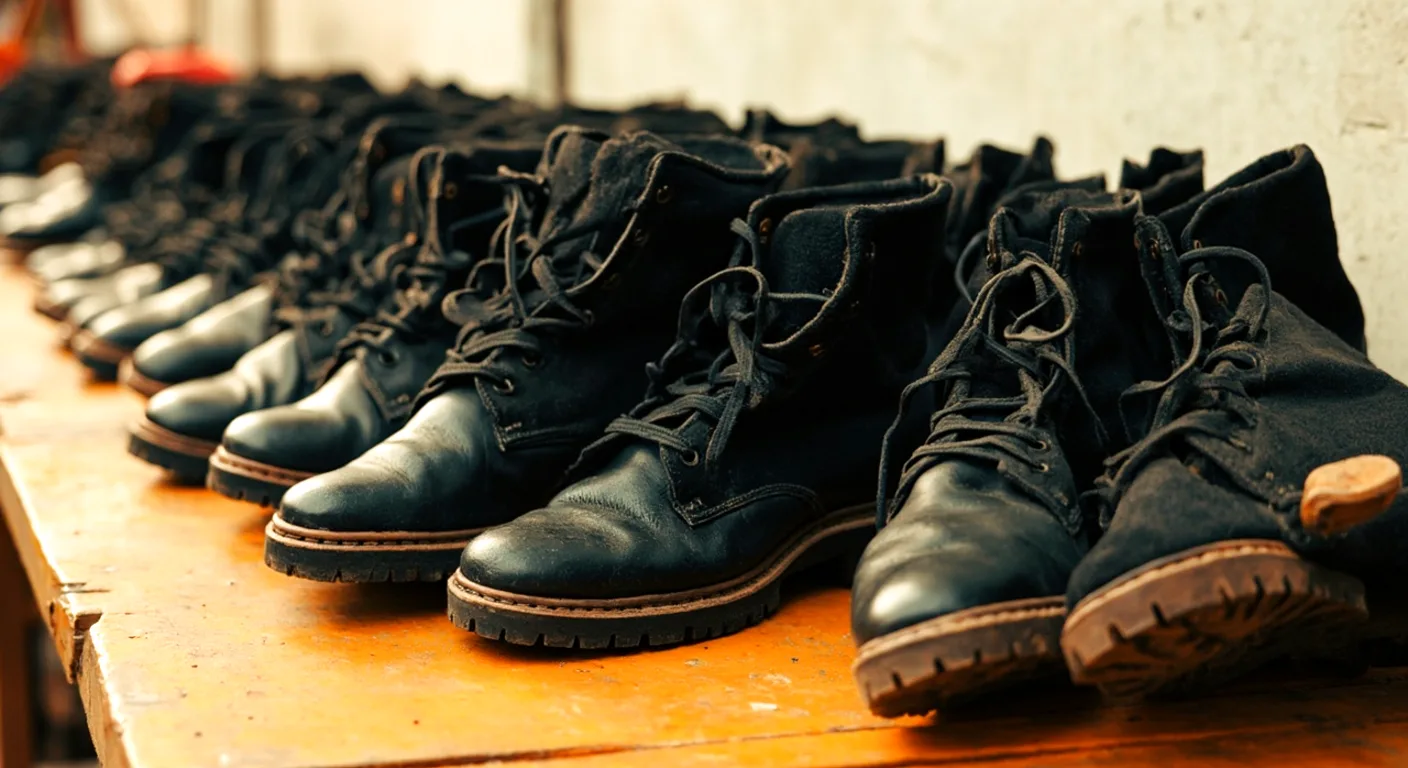
Allen Cooper is one of the most specified safety footwear names in Indian industry, and it is the brand we are asked for by name more than any other.
This page is not a catalogue. It is what a purchasing team actually needs to get right when the tender says “Allen Cooper safety shoes” and somebody has to turn that into a delivered order that clears an audit.
A note on what we are: we supply Allen Cooper safety shoes in bulk against your specification. We are not an authorised dealer and do not claim to be.
“Allen Cooper safety shoes” is not a specification
This is the single most expensive mistake in safety footwear buying, and it is worth being blunt about.
A tender line that reads “Allen Cooper safety shoes — 400 pairs” can be filled by a dozen different articles at materially different prices, with different toe caps, different soles and different suitability for your floor. Every quote you get back will be for a different shoe, and the cheapest will win on a comparison that was never like-for-like.
What a specification looks like:
Allen Cooper, article number [X], certified to IS 15298 Part 2, steel toe, dual-density PU sole, sizes per attached size file, ISI test certificates against the supplied article number.
Five extra lines. They are the difference between a comparable tender and a lottery.
The four decisions behind the article number
1. Toe cap: steel or composite
Both meet the 200-joule impact requirement when certified. The difference is practical:
- Steel — cheaper, heavier, conducts heat and cold, trips metal detectors
- Composite — lighter, thermally neutral, passes metal detectors
If your site has metal detection at the gate, or workers are on their feet for a full shift, composite earns its premium. Otherwise steel is the volume answer.
2. Sole compound
This is the decision most tied to your actual floor, and the one most often got wrong:
- PU / dual-density PU — light, comfortable, the default for general industrial and warehouse work. Dislikes sustained heat.
- Rubber or nitrile — heavier and costlier, and what you need where there is hot metal, oil or chemical exposure.
Putting a PU sole into a foundry is not a saving. It is a replacement cycle you did not budget for.
3. Ankle height
Low-cut for warehouse, logistics and general plant. High-ankle or boot where there is ankle-roll risk on uneven ground, or splash exposure at construction and civil sites.
4. Slip resistance
If the floor is wet — food processing, kitchens, wash bays — this is not an accessory. Ask for the SRC rating explicitly rather than assuming the article has one.
The certificate is half the purchase
Allen Cooper’s safety lines are certified against IS 15298 Part 2, the Indian standard for safety footwear. What matters at delivery is not that the brand is certified in general. It is that you receive test certificates against the article number you were actually shipped.
Ask for that in the format your auditor expects, filed against the article, before the order rather than after the audit. A supplier who cannot produce it is exposing you, however good the shoe is.
Sizing: measure, do not guess
Ordering safety shoes off a standard size curve against a headcount is how you end up with forty unwearable pairs and an exchange round nobody budgeted time for. Indian institutional workforces do not match a generic distribution.
Measure on site, record every person against a size, and keep the file. A repeat order off an existing size file is one email. Without one, you repeat the entire exercise every year.
There is a second reason it matters here specifically: an uncomfortable safety shoe is a safety shoe that gets left in the locker, and unworn PPE is a compliance gap wearing a different hat.
Why we will not send you a price list
“Allen Cooper safety shoes price list” is one of the most searched phrases in this category, so it deserves a straight answer rather than a lead-capture form.
We do not publish one, because a single number would be misleading. What you pay per pair moves on:
- Which article — the range spans basic industrial to specialist, and the spread is wide
- Toe cap and sole — composite over steel, nitrile over PU, both cost more
- Quantity — 50 pairs and 1,000 pairs are different conversations
- Contract length — a rate held for a year prices differently from a one-off
- Whether sizes are measured on site and whether exchanges are included
Any list price you find online is a single-pair retail number for one article. It tells you almost nothing about a 400-pair institutional order, and quoting against it would waste your time and ours.
Send the article number, the quantity and the delivery city, and you get a real written price inside 24 hours.
Buying it as part of a kit
Most sites buying Allen Cooper footwear are also buying head protection and hi-vis. Bought as separate line items from separate vendors, they arrive on separate dates with certificates in separate formats, and the site is non-compliant until the last box lands.
Bought as one PPE kit on a single purchase order — helmet to IS 2925, shoes to IS 15298, hi-vis to IS 15809 — the whole issue arrives together with one certificate file and one person to call. For a contractor across several sites that is usually worth more than the few percent a split order saves.
What to send us
- Article number, if your approved-vendor list already specifies one
- Quantity, and the size file if you have one
- The hazard — hot metal, oil, chemicals, wet floors, long standing shifts
- Whether you need certificates in a particular format
- Delivery city and the date it must be on site
If the article is not settled, tell us the hazard and the headcount and we will come back with two or three options and the trade-off stated plainly, rather than one line and a price.
Buying in Bangalore? We measure on site
See the safety footwear range · compare the brands, or request a quote.